
Creating art often begins with a trip to a specialty supply store, where rows of pristine canvases, uniform metal sheets, and neatly packaged clays await. While traditional art suppliers offer predictability, they also come with steep price tags and a sameness that can inadvertently limit creative exploration. Stepping outside conventional retail channels opens up a world of textures, patinas, and structural elements that simply cannot be manufactured on a mass scale. When artists broaden their definition of what constitutes a raw material, everyday industrial sites, local tradespeople, and natural landscapes transform into boundless treasure troves of inspiration.
By building relationships with local businesses and keeping an open eye during routine errands, creators can source distinctive components that infuse their pieces with authentic history and character. Many specialized trades generate offcuts, surplus materials, and retired fixtures that are considered waste in their primary industries yet hold immense sculptural or mixed-media potential. Embracing these unconventional avenues not only stretches an artistic budget further, but also promotes sustainable making practices and connects artists more deeply with the skilled craftspeople in their own communities.
Salvaging Warm Tones from Industrial Scrap Yards
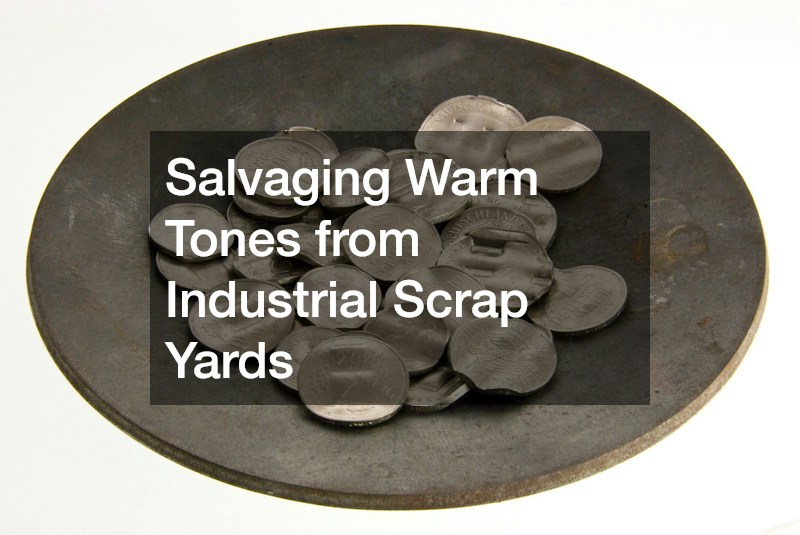
Metal sculptors and mixed-media artists frequently overlook the rich visual potential hidden inside commercial scrap facilities. Visiting a reputable brass metal recycling service offers an extraordinary opportunity to acquire warm, golden-hued alloys at a fraction of standard retail costs. These facilities sort and process vast quantities of industrial fittings, musical instrument parts, vintage hardware, and architectural trim that possess natural tarnishes and surface variations impossible to replicate artificially. Staff members at these yards are typically knowledgeable about alloy compositions and can help artists select pieces that are easy to braze, polish, or patinate.
Beyond the financial savings, sourcing from a brass metal recycling service allows creators to give discarded industrial components a vibrant second life. Exploring organized bins of salvaged piping, valve wheels, and stamped plates sparks immediate structural ideas for kinetic sculptures, jewelry, or relief wall hangings. Because inventory rotates constantly depending on local demolition and manufacturing cycles, every visit feels like a curated treasure hunt, rewarding artists who take the time to build a friendly rapport with the yard operators.
Sourcing Precision Offcuts from Local Metalworking Shops
Precision metalworking shops are hubs of daily transformation, turning raw sheets and bars into specialized parts for construction and manufacturing. Partnering with a local custom metal fabrication company gives artists access to clean, high-grade offcuts in steel, aluminum, and copper that would otherwise be sent off for smelting. Because these remnants are left over from precise commercial orders, they often feature intriguing geometric silhouettes, clean laser-cut edges, and uniform thicknesses that serve as ideal foundations for modern wall sculptures or structural armatures.
Many shop owners appreciate seeing their leftover materials transformed into expressive works of art rather than treated as industrial scrap. Establishing a connection with a custom metal fabrication company can also open doors to professional advice regarding welding, bending, and finishing techniques. Artists who approach these businesses respectfully—often offering to purchase drop pieces by weight—frequently walk away with pristine, gallery-ready metal components alongside valuable technical insights from master fabricators.
Discovering Weathered Timber in Rural Agricultural Structures
Rustic wood carries a tactile warmth and narrative depth that fresh lumber from a hardware store rarely matches. Rural properties undergoing renovation or disassembly often feature pole barns built with heavy-duty posts, rough-sawn siding, and weathered trusses that have endured decades of sun, wind, and rain. The resulting silvered patinas, deep grain textures, and authentic nail holes provide extraordinary character for woodblock printing, assemblage backgrounds, and large-scale rustic framing.
Property owners dismantling or upgrading aging pole barns are frequently thrilled to connect with local artists who will appreciate and preserve the timber’s history. Reclaimed barn wood can be planed down to reveal rich interior heartwood or left entirely raw to highlight its rugged exterior weathering. Incorporating these sturdy, seasoned planks into sculptural installations or mixed-media panels adds an immediate sense of permanence and heritage to the finished artwork.

Unearthing Natural Pigments and Stones from Earthworks Sites
Beneath the topsoil lies a fascinating geological palette waiting to be uncovered by observant creators. Active residential or commercial excavation projects regularly bring deep layers of mineral-rich clay, textured river stones, and uniquely shaped tree roots to the surface. With permission from site supervisors or property owners, artists can collect raw earth pigments that can be ground and bound into custom watercolor, oil, or tempera paints with regionally authentic hues.
Alongside natural pigments, responsible sourcing from excavation sites yields fascinating mineral specimens and rugged stones ideal for carving or mosaic inlays. Watching heavy machinery peel back layers of earth reveals strata of iron-rich reds, ochres, and slate grays that reflect the true geological identity of a region. Collecting these raw elements directly from the ground connects an artist’s studio practice to the physical landscape in a deeply tangible way.
Collecting Ornate Scrollwork from Architectural Metalworkers
Decorative architectural metalwork offers a blend of structural strength and classical elegance that translates seamlessly into fine art. Reaching out to a local iron railing service can uncover a wealth of leftover scrolls, twisted pickets, finials, and forged brackets from residential and commercial staircase installations. These heavy, durable elements bring instant rhythm, line weight, and historical flair to outdoor garden sculptures or bold interior wall reliefs.
Craftspeople who operate an iron railing service possess deep expertise in traditional blacksmithing and modern ornamental welding, making them wonderful creative allies. Even small sections of wrought iron or decorative balusters can be repurposed as striking stands for ceramic vessels, structural frames for stained glass, or focal points in welded assemblages. Utilizing authentic architectural ironwork lends a timeless, grounded presence to contemporary sculptural compositions.
Utilizing Geometric Sheet Remnants from Cutting Specialists
Clean lines and sharp angles form the backbone of minimalist and geometric visual art, yet cutting heavy-gauge metal by hand is notoriously difficult. Shops specializing in metal shearing regularly produce crisp, straight-edged strips and geometric polygons as byproducts of trimming large industrial sheets to exact client specifications. These precision-cut remnants eliminate hours of tedious studio labor, allowing artists to focus immediately on composition, surface treatment, and assembly.
Working alongside professionals who handle metal shearing also exposes creators to a wide variety of gauges and surface finishes, from brushed stainless steel to cold-rolled carbon steel. Because sheared edges are remarkably uniform and clean, these pieces can be layered into intricate dimensional reliefs, woven into metallic tapestries, or etched with acid to create high-contrast visual textures. Tapering strips and uniform triangles from the shear bed frequently inspire entirely new series of geometric abstractions.

Gathering Textured Masonry from Stone and Brick Suppliers
Masonry materials offer unmatched durability and earthy texture for artists working in mosaic, sculpture, and outdoor installations. Visiting a regional paver company often reveals pallets of chipped, slightly irregular, or discontinued stone and concrete blocks that cannot be sold for uniform patio installations. These imperfect units are absolute goldmines for mosaic artists who plan to break the material into tesserae, as well as sculptors seeking solid, weather-resistant bases for heavy bronze or stone figures.
The staff at a paver company are typically happy to clear out single-lot remnants and broken samples for creative reuse. Tumbled cobbles, travertine tiles, and textured clay bricks offer an impressive spectrum of natural colors and porous surfaces that accept stains, glazes, and sealants beautifully. Incorporating these rugged masonry elements into mixed-media pieces brings architectural weight and tactile contrast to any body of work.
Repurposing Natural Boulders and Flagstone from Outdoor Builders
Outdoor construction specialists handle an astonishing variety of raw stone, timber, and drainage materials every single week. Building a relationship with a trusted hardscaping company provides artists with access to leftover flagstone shards, split boulders, decorative river gravel, and surplus retaining wall blocks. These natural stone remnants are ideal for carving small reliefs, constructing balanced stone cairn sculptures, or embedding into concrete stepping-stone artworks.
Because a busy hardscaping company routinely custom-cuts natural stone on job sites to fit tight corners and curves, irregular offcuts are generated on almost every project. Those organic, fractured stone edges create dynamic visual movement when arranged in sculptural compositions or outdoor mosaics. Utilizing locally sourced stone remnants ensures that outdoor artworks harmonize effortlessly with the surrounding natural environment.
Finding Botanical Inspiration Through Landscape Professionals
Living plants, dried seed pods, and pruned branches serve as timeless subjects and structural materials for botanical artists and printmakers. Collaborating with a creative backyard designer can connect artists with seasonal pruning debris from ornamental trees, flowering shrubs, and architectural grasses. Twisted branches of curly willow, textured bark, and dried hydrangea blooms make extraordinary natural armatures for basketry, floral installations, and eco-printing on textiles and paper.
A thoughtful backyard designer views outdoor spaces through an artistic lens, paying close attention to color palettes, seasonal textures, and organic forms. Partnering with these professionals often leads to mutual inspiration, as designers frequently seek custom sculptural focal points for their clients’ properties while providing artists with a steady stream of unique botanical specimens. This synergy turns routine seasonal yard maintenance into a sustainable harvest of natural studio supplies.
Harvesting Organic Textures and Pigments Close to Home
Sometimes the richest and most accessible art supplies are thriving right outside the studio door. Cultivating a dedicated garden allows artists to grow their own natural dye plants—such as indigo, marigold, and coreopsis—alongside gourds, structural grasses, and botanicals for pressing. Tending to living plants fosters a patient, observant mindset that naturally enriches an artist’s sensitivity to subtle shifts in color, light, and organic form.
Even a modest backyard or container garden provides an endless supply of leaves for cyanotype sun prints, textured stems for clay impressions, and dried pods for natural ink making. Watching seeds germinate, bloom, and dry out over the seasons offers a complete lifecycle of creative materials without ever stepping foot in a retail store. Harvesting directly from personal soil imbues every finished print, dyed fabric, or sculptural piece with an intimate sense of place and stewardship.
Exploring Estate Sales and Architectural Salvage Warehouses
Historic homes and commercial buildings undergoing renovation hold decades of craftsmanship within their walls and fixtures. Architectural salvage warehouses and local estate sales are brimming with vintage porcelain doorknobs, beveled mirror glass, tarnished silverware, and intricate wooden moldings. These pre-loved objects carry visible traces of human touch and history, making them extraordinary raw ingredients for narrative assemblage, steampunk sculpture, and mixed-media collage.
Unlike newly manufactured embellishments, salvaged hardware and vintage textiles bring authentic patina and emotional resonance to an artwork. A single ornate brass keyhole plate or a bundle of antique linen threads can anchor an entire visual story, guiding the composition and color palette of a piece. Exploring these venues regularly trains the eye to look past an object’s original utility and recognize its pure sculptural potential.

Partnering with Local Print Shops and Framing Studios
Paper-based artists, bookbinders, and collagists can uncover pristine, archival-grade supplies by connecting with local printing and framing businesses. Commercial print shops frequently trim down oversized sheets of heavy cardstock, textured cotton rag paper, and vibrant metallic foils, leaving behind stacks of clean strips and offcuts. Similarly, custom framing studios accumulate dazzling assortments of acid-free mat board remnants and short lengths of ornate hardwood molding.
These high-end paper and framing scraps are too small for standard commercial jobs yet perfectly sized for miniature paintings, handmade journals, linocut prints, and layered paper sculptures. Most shop owners are delighted to bundle these pristine remnants for local educators and artists at minimal cost. Tapping into these neighborhood creative businesses ensures a steady supply of museum-quality materials while keeping valuable paper and wood resources out of the waste stream.
Stepping outside the traditional art supply aisle transforms the entire community into an extended studio resource. From industrial metal shops and masonry yards to local landscape specialists and personal green spaces, skilled tradespeople and natural environments quietly generate an abundance of inspiring raw materials every day. Approaching these sources with curiosity, respect, and gratitude not only unlocks dramatic cost savings, but also introduces textures and histories that mass-produced supplies simply cannot replicate.
By forging genuine connections with local craftspeople and paying closer attention to the materials cycling through everyday industries, artists elevate both their creative process and their environmental stewardship. Every salvaged brass fitting, weathered plank, and mineral pigment carries a distinct story that enriches the final work. Embracing unconventional sourcing invites happy accidents into the studio, proving that some of the most extraordinary artistic breakthroughs begin in the most unexpected places.





No Comment